The paradigm of kinetic energy distribution is shifting from centralized thrust vectors to autonomous, modular nodes. This transition demands a new archival logic.
01. Atomic Capability Modeling
In the modern engineering ecosystem, static benchmarks are insufficient. Nucleaus decomposes propulsion architecture into a living system of atomic capabilities. By mapping high-level mission objectives down to granular functional nodes, we create a structured, comparable view of performance that evolves in real-time.
Foundational inertial dampening and vector alignment protocols.
Autonomous nodal communication and decentralized collision avoidance.
Predictive stress modeling and real-time digital twin synchronization.
Our capability matrices allow for objective scoring across vendor ecosystems, surfacing performance discrepancies that are often obscured by legacy reporting frameworks.
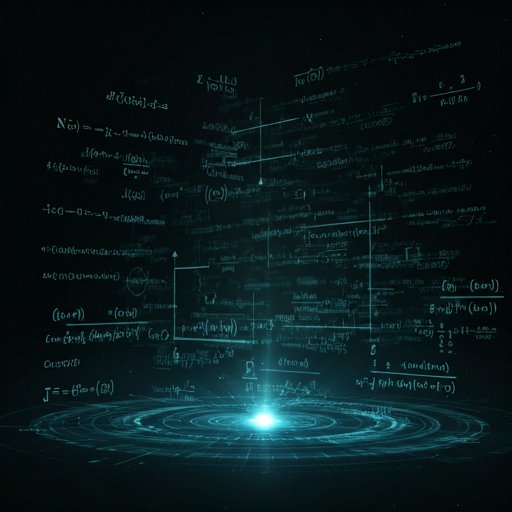
Kinetic Swarm Dynamics: Live Telemetry Visualization
02. The Core Synchrony Problem
In traditional systems, the overhead of synchronization creates a latency bottleneck that inhibits real-time response. At NUCLEAUS, our lab has pioneered a 'Kinetic Buffer' that pre-calculates inertial trajectories before physical deployment.
Modular Integration Strategy
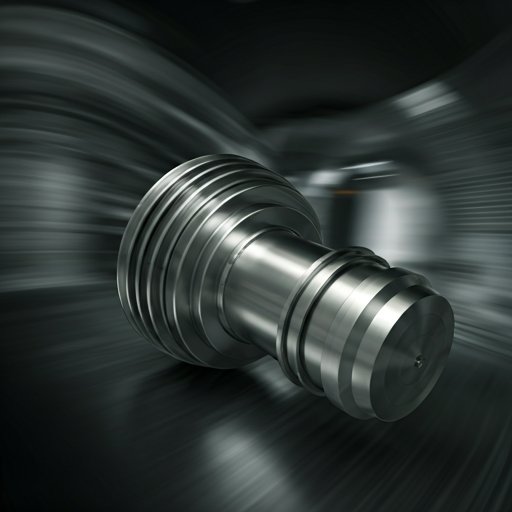
Secondary cooling fins with integrated thermal dissipation units.

Kinetic energy recovery system (KERS) prototype for sustained orbital flight.
03. Signal Over Sentiment
Market velocity demands an ingestion-ready approach to intelligence. Raw data from telemetry, public repositories, and edge-case deployments are translated into decision-grade signals. This transformation process relies on deep tech scores that evaluate the core robustness of distributed propulsion systems.
-
01
Digital Twin Encoding
Direct stress history archival for hardware components via physical NFC hashing.
-
02
Bento UI Logic Deployment
Containerized logic units for ground-station telemetry visualizers.
-
03
Swarm Protocol v5.0
Sub-millisecond synchronization across 500+ independent kinetic nodes.
Experience the power of Nucleaus firsthand. Grounded in technical reality and optimized for the high-velocity requirements of tomorrow's aerospace landscape.